
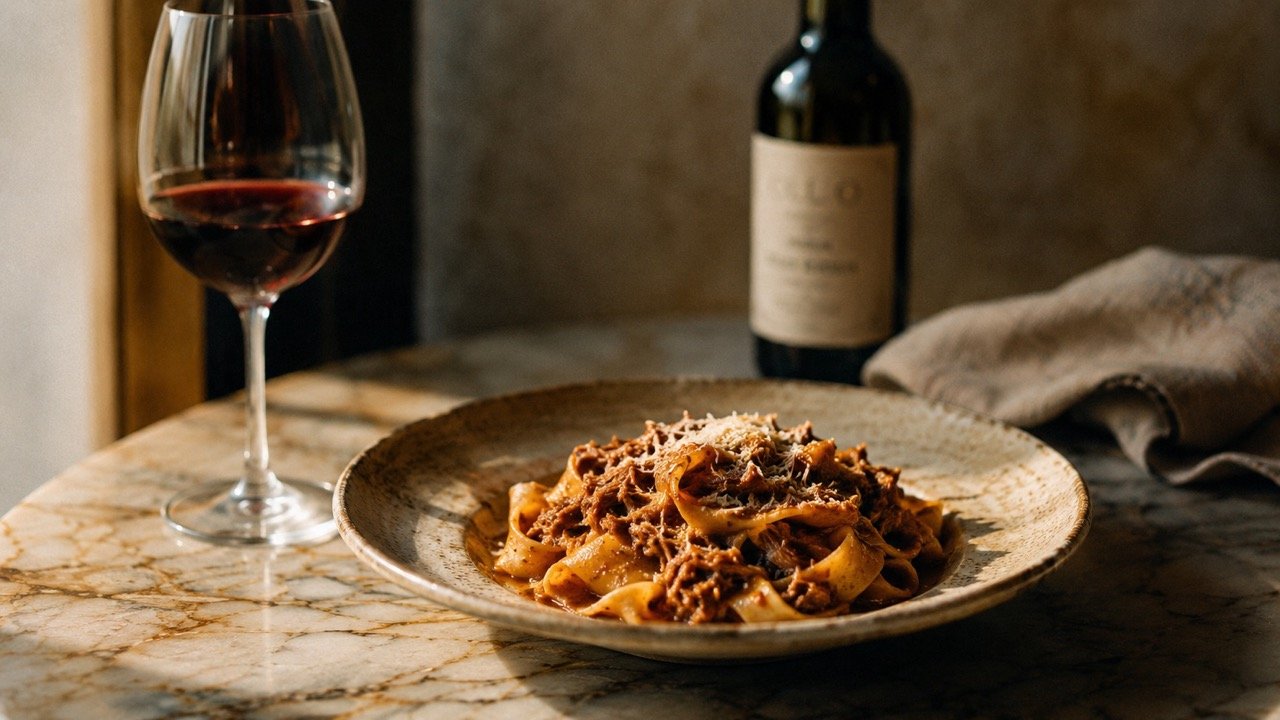
The great misconception about Italian food is that it is one thing. In a country where the dialect changes every fifty kilometres, where a Bolognese and a Sicilian will argue with genuine conviction about the correct shape of pasta to serve with a meat sauce, the idea of a unified Italian cuisine is, to those who know it, a kind of gentle comedy. Sydney, however, has begun to understand this. Not every restaurant. Not everywhere. But in the right rooms, with the right people behind the pass, the specificity is arriving — Piedmontese rather than Italian, Venetian rather than northern, Amalfitano rather than southern.
This is where to find it.
The Case for Provenance
Italian cooking is, at its foundation, an argument about place. The particular minerality of Ligurian olive oil. The way Campanian buffalo mozzarella behaves at room temperature. The reason Venetian risotto is stirred to a looser, more liquid consistency than its Milanese counterpart — all’onda, they call it, like a wave. These distinctions are not pedantry. They are the difference between food that nourishes and food that moves you.
The best Italian kitchens in Sydney have stopped pretending to be everything. They have planted a flag in a specific tradition and cultivated it with care. The result is a handful of rooms that could, on the right evening, convince a well-travelled Italian guest that something worth serious attention is happening on this side of the world.
Lumi, Pyrmont: The Piedmontese Sensibility
Federico Zanellato has been cooking in Sydney for over a decade, and Lumi — perched above Pirrama Park with the harbour doing its best work to the north — remains one of the city’s most quietly sophisticated rooms. The menu resists easy categorisation, but Zanellato’s Piedmontese heritage surfaces in the restraint: in the preference for texture over sauce, for the clean expression of a single exceptional ingredient over elaboration.
The agnolotti dal plin here are worth the pilgrimage. Small, precisely pleated, filled with braised veal, spinach, and a roasting-pan jus that carries the concentrated depth of something cooked over days. Order them with the 2022 Langhe Nebbiolo from Produttori del Barbaresco — the sommelier will have a glass ready before you’ve finished asking. The service at Lumi operates at that particular frequency where attentiveness feels like affection rather than performance.
Reservations essential. Tasting menu from $195 per person. lumi.com.au
Alberto’s Lounge, Surry Hills: The Sicilian Spirit
Alberto’s is the kind of room that feels immediately right before you’ve understood why. Low ceilings, terracotta wall tiles, a certain compression of warmth that makes winter evenings feel like a gift. The food is unambiguously Sicilian — bold, marine, not afraid of sweetness in a savoury context.
The pasta con le sarde is one of the best things to eat in Sydney. Fresh sardines, wild fennel fronds, toasted pine nuts, currants, saffron: this is the flavour of Palermo’s markets, of the Arab-Norman influence that runs through Sicilian cooking like a silver thread. Beside it, the caponata — served cold, as it should be, not as an afterthought but as a dish in its own right — has the slow-cooked complexity that requires patience to achieve and confidence to serve simply.
The natural wine list leans Sicilian and southern Italian, with an excellent run of bottles from Arianna Occhipinti and Cornelissen. Ask the room for the Occhipinti SP68 if it’s available — it almost certainly won’t be on the list.
Walk-in friendly for the bar. Reservations recommended for tables. Crown Street, Surry Hills.
Ragazzi, CBD: The Wine Bar as Trattoria
The premise at Ragazzi is beautifully Italian in its simplicity: excellent pasta, exceptional wine, a room that encourages you to stay longer than you planned. What makes it more than a competent neighbourhood trattoria is the seriousness brought to both halves of that promise.
The pasta programme rotates with seasonal precision, but the foundations hold: handmade, properly seasoned, cooked with the attention to texture that separates pasta from Italian-adjacent carbohydrate. The cacio e pepe, when it appears, is Roman in its austerity — just Pecorino Romano, black pepper, and pasta water emulsified into something that requires no embellishment and tolerates no deviation.
The wine list is among the most thoughtful all-Italian selections in the city. The team has spent years developing direct relationships with small producers, and the back catalogue of natural and minimal-intervention bottles — particularly from Friuli-Venezia Giulia and the Campanian hills — rewards genuine curiosity. Budget an extra hour for the wine conversation alone.
Angel Place, Sydney CBD. Reservations for groups, walk-in for solo and pairs at the bar.
Fabbrica, Surry Hills and Rozelle: The Pasta Atelier
Fabbrica operates on a different register — a pasta-focused restaurant and deli that prizes craft over ceremony. The room is unfussy: concrete floors, long communal tables, the gentle hum of a kitchen that takes its work seriously but doesn’t want you to feel the weight of it.
The rigatoni all’amatriciana is the benchmark dish. Cured pork cheek — guanciale, not pancetta; the distinction matters — rendered slowly until the fat has lost its rawness and retained its depth, married to San Marzano tomato and Pecorino in the proportions mandated by centuries of Roman tradition. It is the kind of dish that makes you understand why people have strong feelings about pasta.
For a table to take home, the fresh pasta selection at the deli counter is among the most reliable in the city. The squid ink spaghetti and the ricotta-filled triangoli, made that morning, travel well and cook in four minutes.
Crown Street, Surry Hills and Darling Street, Rozelle. Pasta sold fresh from the deli counter.
On Ordering Well
A note on wine, because Italian food and Italian wine constitute a relationship that Sydney’s best rooms understand deeply.
With Sicilian or southern Italian food: Nero d’Avola, Nerello Mascalese, or a structured Campanian Aglianico. With Piedmontese dishes: Barbera d’Asti if the food is bright and acidic; Nebbiolo or Barolo if the cooking is slow and braised. With Roman-style pasta: a well-chilled Frascati or a skin-contact Trebbiano for those whose palate has moved in that direction. With Venetian-influenced seafood: Soave Classico from Pieropan, if the list is serious enough to carry it.
The sommelier, at any of the rooms listed above, will tell you something more interesting than this. Ask them.
A note on this guide: all restaurants listed have been selected for the enduring quality of their cooking and the sincerity of their regional focus. No relationships, commercial or otherwise, influence these recommendations.