
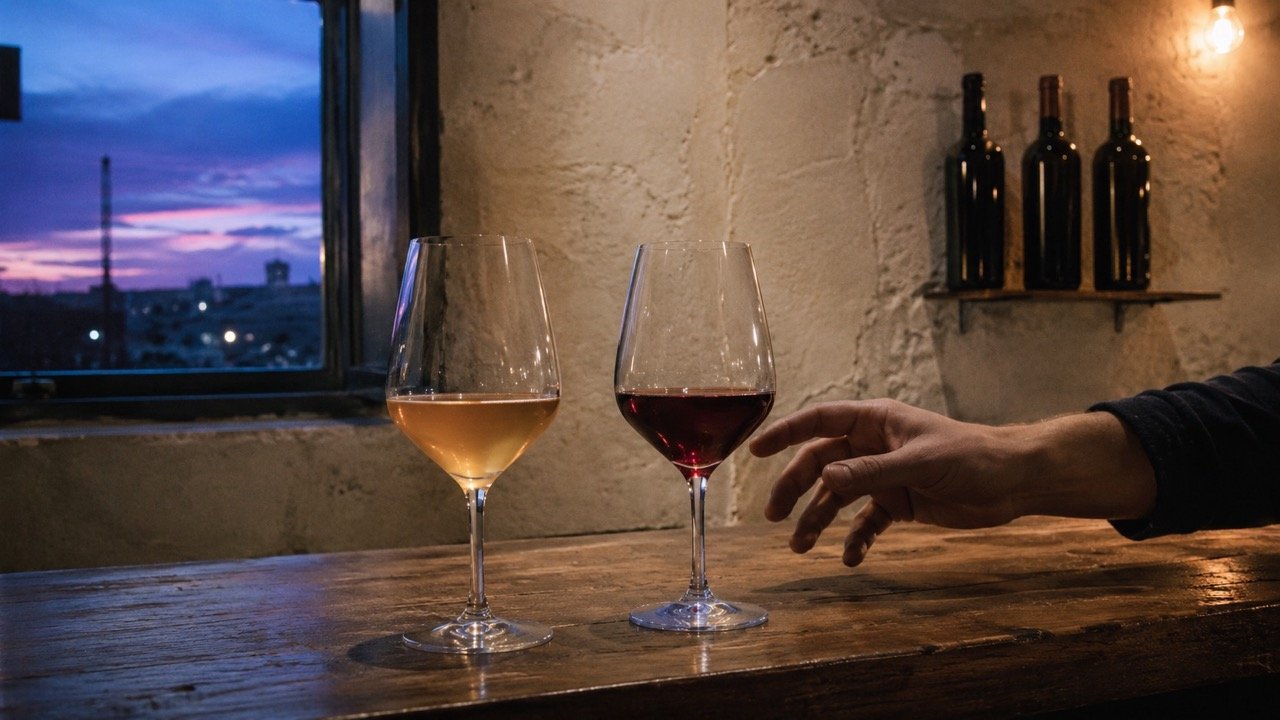
The most common mistake made when writing about non-alcoholic drinks is to frame them as what they are not. A non-alcoholic spirit is not a wine without fermentation, a cocktail without the cocktail. This framing produces defensive journalism and suspicious readers, and it misunderstands the nature of the drinks it claims to champion. The correct frame is positive and entirely straightforward: non-alcoholic drinks are a category of beverages worthy of the same connoisseurial attention as wine, whisky, or tea, and the question is not whether they are adequate substitutes for something else but whether they are good in themselves.
Sydney has arrived at this question with something approaching seriousness. The city’s drinks culture has always been more sophisticated than its beer-and-steak reputation suggested — the wine bars of Surry Hills and Chippendale have long carried lists that rival London and New York — and the non-alcoholic movement here has benefited from a food culture that was already primed to take ingredients, fermentation, and the provenance of what’s in the glass with genuine seriousness. What is happening now is the extension of the same connoisseurship that transformed Australian wine from Liebfraumilch territory to Henschke Hill of Grace into the space of the zero-proof glass.
There is also a practical argument. At a serious degustation dinner, someone who is not drinking alcohol is making one of two choices: they are drinking water, which is unsatisfying against food of real complexity, or they are engaging with a non-alcoholic programme that has been thought about with the same care as the wine list. The best Sydney restaurants increasingly offer the latter. The best bars have been ahead of this for some time.
Lyre’s: The Australian Global Standard
That the world’s most awarded non-alcoholic spirits brand was founded in Australia in 2019 says something about the particular entrepreneurial seriousness with which this country approaches category creation. Lyre’s, launched in Melbourne and now distributed in seventy-plus countries, built its reputation on a simple proposition: the full range of classic spirit styles — gin, whisky, rum, tequila, Campari, amaretto, vermouth — reproduced without alcohol using botanical distillation techniques and natural flavour compounds. The result is not an approximation but a genuinely distinct category. A Lyre’s Dry London Spirit in a martini glass with vermouth and a cold olive does not taste exactly like a gin martini; it tastes like a sophisticated botanical drink that can be treated with the same ritual and attention as one.
The brand is available across Sydney’s better bottle shops and is poured extensively in the city’s non-alcoholic and low-alcohol cocktail programmes. That the company reached a $500 million valuation within two and a half years of launch speaks less to hype than to the scale of genuine demand that had been waiting for a product of this quality.
Maybe Sammy, The Rocks
That Maybe Sammy — ranked 26th in the world on the 2024 World’s 50 Best Bars list — takes its non-alcoholic programme seriously is both a consequence of its overall philosophy and a useful signal about the direction of high-end bar culture. The Rocks bar, in its art deco-adjacent room and with its 1950s cocktail party atmosphere, could have leaned entirely on its formidable alcoholic menu. Instead, the Purification Cocktails programme offers non-alcoholic alternatives engineered with the same formal intelligence as the main list — Seedlip as a base, house-made kombuchas that rotate weekly, complex botanical builds that use fermentation and reduction to achieve the length and structure that alcohol would otherwise provide.
Drinking a non-alcoholic cocktail here removes the defensive quality that lesser establishments impart to the category. There is no sense that you are being accommodated; you are being served a drink that the bar has thought about as carefully as any other.
The Rocks, Sydney. maybesammy.com
Seadrift Distillery, Brookvale
Seadrift opened Australia’s first dedicated non-alcoholic distillery in December 2019 in a warehouse in Brookvale on the Northern Beaches, and its central proposition is more radical than it might initially appear: using traditional copper pot distillation on fresh botanicals and locally foraged sea kelp to create spirits whose complexity comes from the distillation process itself rather than from alcoholic extraction. The kelp is the proprietary element — a coastal Australian ingredient that gives the Seadrift range an iodic, marine quality that reads as terroir in the way that a coastal Burgundy chardonnay reads as terroir.
The Seadrift "So-Bar" in the distillery warehouse is open for visits and tastings, offering the full range poured as they are meant to be drunk — neat, with ice, or in simple long drinks that let the botanical complexity of the base spirit carry the flavour. The bartender pouring at the cellar door here knows more about the provenance of what’s in the glass than the staff at most conventional spirits bars; this is the appropriate form of expertise at this level.
1/12 Sydenham Road, Brookvale. seadriftdistillery.com
The Fermented Drinks Beyond the Glass
Sydney’s fermented drinks landscape extends well beyond the non-alcoholic spirits movement into a world of live-culture beverages that offer genuine complexity and functional intelligence. The distinction between a mass-market kombucha — sweet, faintly acidic, essentially a soft drink with health marketing — and a properly made water kefir or jun culture fermented on specialty tea and raw honey is roughly equivalent to the distinction between supermarket yoghurt and a properly aged Époisses. The microbial diversity, the range of organic acids, the textural variation: these are qualitative differences that require attention but reward it.
The Carriageworks Farmers Market, held every Saturday at Eveleigh, brings together Sydney’s most serious food producers including makers of small-batch fermented beverages. Enokido Miso — one of the market’s most quietly celebrated vendors — produces traditional shiro and aka miso that demonstrates the same patience and microbiological seriousness as the kombucha and kefir culture more broadly. Producers at the market sourcing koji rice, wild-fermented vegetables, and traditionally produced vinegars represent the city’s deepest engagement with fermentation as flavour technology.
On Mineral Water and What the Sommelier Pours
At Sydney’s most serious restaurants, the water question has been elevated to something approaching a statement of values. Still or sparkling is the minimal version; the more considered choice involves a genuine understanding of mineral content, source, and the relationship between water chemistry and food.
Evian from the French Alps (total dissolved solids: 309 mg/l, notably calcium-rich) is the default for restaurants that want something neutral and well-balanced. Perrier and San Pellegrino represent two styles of carbonation — the former light and aggressive, suited to aperitivo; the latter softer and more persistent, better with food. The Norwegian Voss, in its iconic cylindrical bottle, is chosen as much for its design as its flavour, which is not entirely cynical: a beautiful object at the table is part of the hospitality.
For those who want to engage seriously with the mineral water question, the Gerolsteiner from the Eifel region of Germany — naturally sparkling, very high in magnesium and calcium — represents what proper mineral water tastes like when geology does the work. At several hundred milligrams of dissolved solids, it has a flavour profile that interacts with food in ways that blank water cannot. This is not obscurantism; it is attention.
The Protocol of Drinking Without Alcohol at a Serious Table
The social code around not drinking alcohol has changed more in the last decade than in the previous fifty years. The contemporary conventions are worth stating plainly:
You need not explain why you are not drinking. "I’ll have the non-alcoholic pairing, please" is a complete sentence.
A restaurant with a serious non-alcoholic programme deserves to have it engaged with seriously. Order from it as you would from the wine list — with questions about how dishes pair, with attention to what changes through the meal.
A glass of Champagne for toasts is a different question from a wine pairing through dinner. Many non-drinkers participate in the former without extending to the latter, which is a perfectly coherent position.
Sparkling water in a wine glass is not an adequate substitute at a degustation. If the restaurant doesn’t offer a non-alcoholic programme, ask whether the kitchen can prepare one; at any establishment serious enough to command your attendance, this request will be received as the compliment it is.
The connoisseurship of non-alcoholic beverages is not consolation. It is simply a different and equally demanding form of attention.